
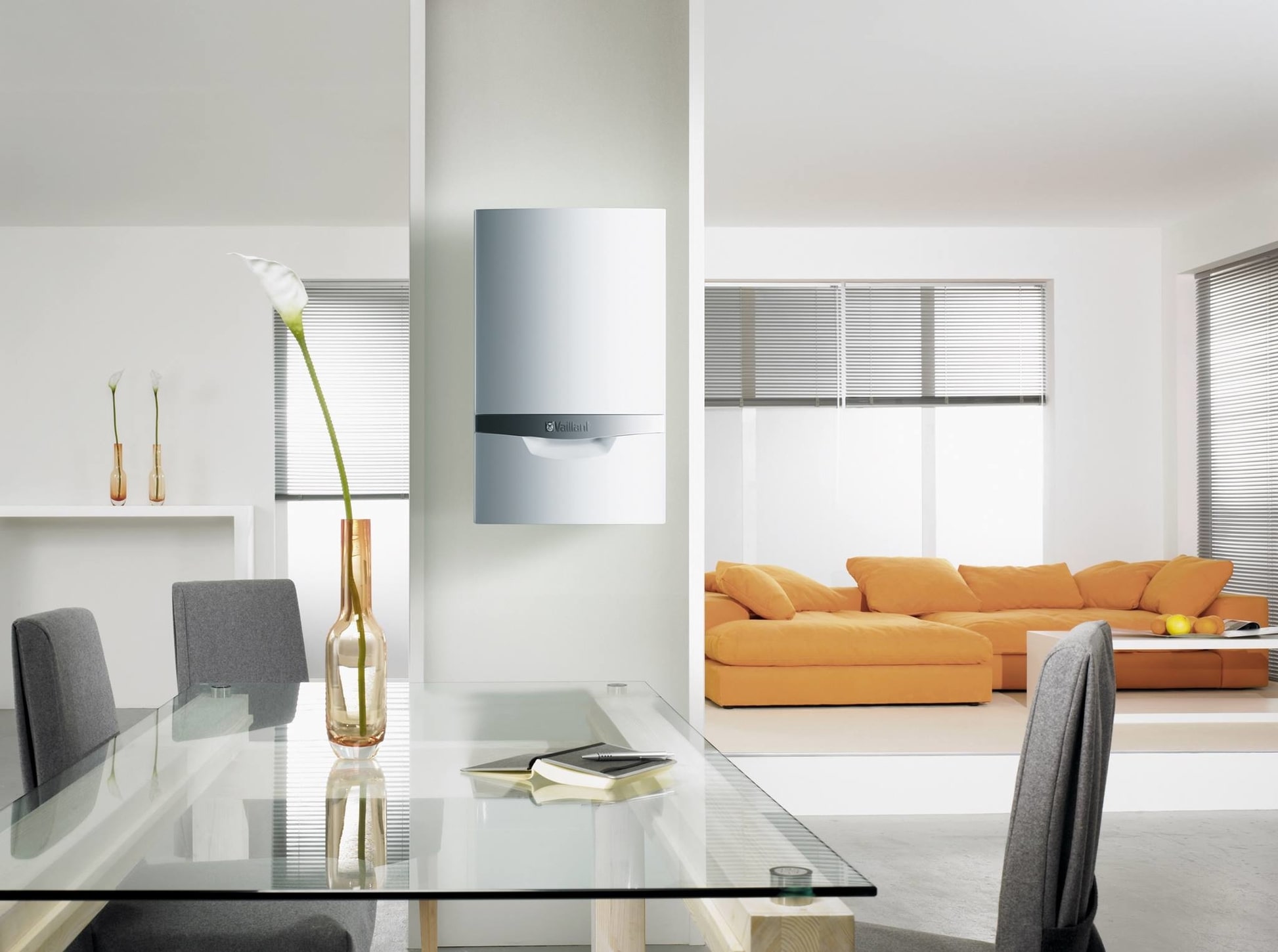
Living in Scotland means dealing with a climate that is famously unpredictable. From the biting winds of the Highlands to the damp, misty mornings in the Lowlands, our homes have to work harder than most to stay comfortable. When the temperature drops and the horizontal rain begins, the last thing any homeowner wants is a central heating system that decides to pack in. This is why many people are looking into new boilers scotland as a way to ensure their property remains a sanctuary against the elements.
An ageing boiler is more than just a minor inconvenience; it is a significant drain on your household finances. Older models, particularly those that have been running for over a decade, often operate at efficiencies as low as 60% or 70%. This means that for every pound you spend on gas, thirty to forty pence is effectively wasted, disappearing out of the flue rather than warming your radiators. Modern condensing boilers, by contrast, achieve efficiencies of 90% or higher, making them a vital tool in the fight against rising energy costs.
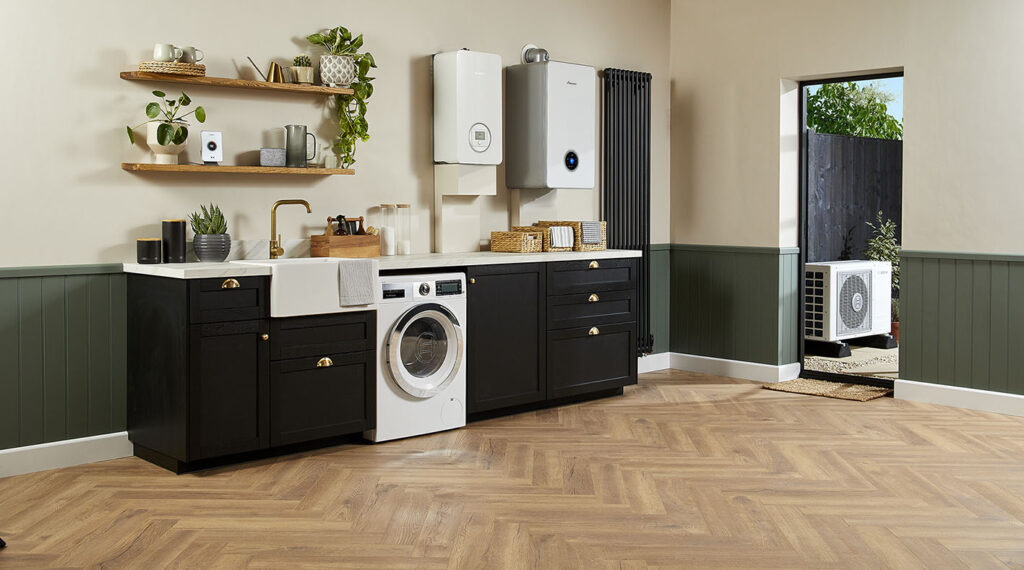
The financial benefits of upgrading your boiler
It is no secret that the initial cost of a boiler replacement can feel like a significant hurdle. However, when you look at the long-term savings, the perspective shifts. A more efficient system uses less fuel to produce the same amount of heat, which reflects directly on your monthly utility bills. For many Scottish households, the savings can amount to hundreds of pounds per year, meaning the unit eventually pays for itself.
There are several ways a modern system saves you money:
- Improved Heat Exchange: Newer models are designed to capture heat that would otherwise be lost, recycling it back into the system.
- Smart Controls: Most modern installations come with sophisticated thermostats that allow you to manage your heating from your phone, ensuring you never heat an empty house.
- Reduced Repair Costs: An old boiler is prone to frequent breakdowns. Switching to a new unit eliminates the need for expensive emergency call-outs and hard-to-find replacement parts.
- Increased Property Value: Energy efficiency is a major selling point for modern buyers. A high-rated boiler can improve your home’s Energy Performance Certificate (EPC) rating.
Choosing the right boiler for your Scottish home
Not every home requires the same type of heating solution. The size of your property, the number of bathrooms you have, and your typical hot water usage will all dictate which model is best for you. In Scotland, where stone-built tenements sit alongside modern timber-framed houses, the variety of housing stock means a tailored approach is essential.
Combination Boilers
Combi boilers are the most popular choice for smaller homes and flats. They provide heat for your radiators and hot water on demand without the need for a separate water tank. This makes them incredibly space-efficient, which is a huge advantage in urban areas like Glasgow or Edinburgh where space is often at a premium.
System Boilers
For larger families with multiple bathrooms, a system boiler might be the better option. These require a cylinder to store hot water, meaning you can run multiple showers at once without the water pressure dropping or the temperature fluctuating. They are ideal for larger detached or semi-detached homes where the demand for hot water is higher.
Regular (Conventional) Boilers
If you live in an older property with traditional pipework, you might still have a regular boiler. These systems involve a large cold-water tank in the loft and a hot water cylinder. While they are less common in new builds, they are often the most straightforward replacement for older homes where the existing radiators might not handle the high pressure of a modern combi system.
What to expect during the installation process
Once you have decided to move forward with a replacement, the process is generally smoother than many people anticipate. Professional installers in Scotland are well-versed in the specific building regulations and safety standards required north of the border. A standard swap, where the boiler stays in the same location, can often be completed in a single day.
The process typically involves:
- A Technical Survey: An engineer will visit your home to assess your current system and confirm that your chosen boiler is suitable for your needs.
- The Flush: Before the new unit is fitted, the engineer should perform a system flush to remove any sludge or debris from your pipes and radiators. This ensures your new boiler operates at peak efficiency from day one.
- Installation and Commissioning: The new unit is mounted, connected to the gas and water lines, and rigorously tested to ensure it meets all safety standards.
- Handover: Your installer should walk you through how to use the controls and provide you with all the necessary warranty and gas safety paperwork.
Funding and grants available in Scotland
The Scottish Government has been proactive in encouraging homeowners to switch to more energy-efficient heating systems. Through schemes like Home Energy Scotland, there are often grants or interest-free loans available for those looking to upgrade. These programmes are designed to help the country meet its net-zero targets while helping residents reduce their carbon footprint and energy expenditure.
Eligibility for these schemes often depends on your current heating system and your household income, but it is always worth checking what support is available before you commit to a purchase. In some cases, you could receive a substantial contribution towards the cost of your new system, making the transition to a warmer, more efficient home much more affordable.
Maintaining your system for the long term
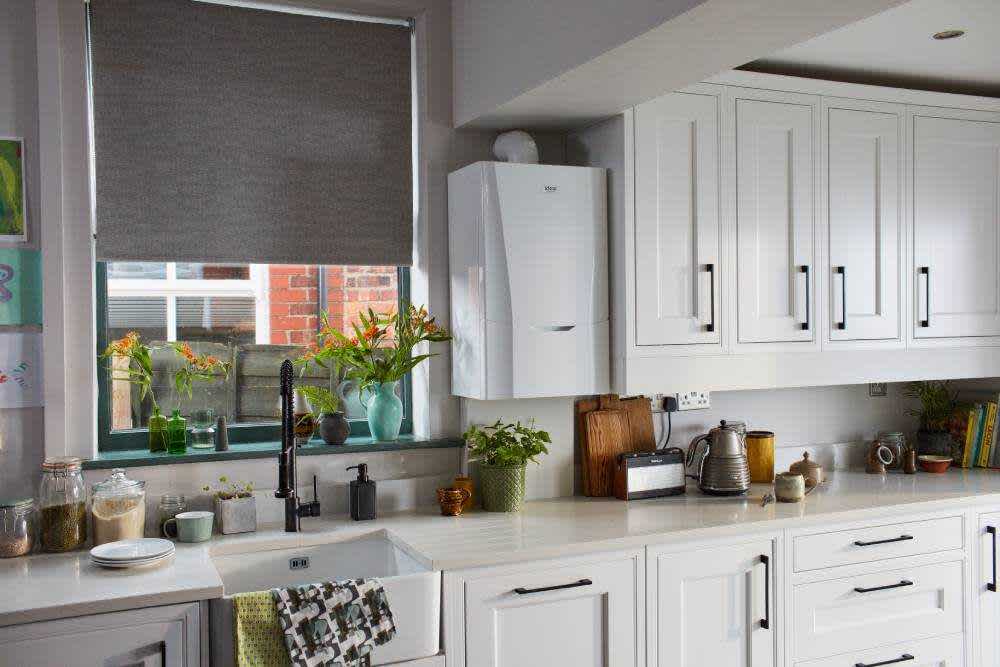
Once your new boiler is installed, the key to longevity is regular maintenance. Just like a car, a boiler needs an annual service to ensure everything is functioning as it should. This is not just about preventing breakdowns; it is also a requirement to keep your manufacturer’s warranty valid. Most modern warranties last between five and twelve years, providing immense peace of mind, but they are almost always conditional on having a record of annual professional servicing.
During a service, a Gas Safe registered engineer will check for leaks, test the pressure, and clean internal components. They will also ensure that the boiler is not producing any harmful carbon monoxide. This annual check-up is a small price to pay for the safety and efficiency of your home. By taking care of your system, you ensure that it continues to provide reliable heat throughout the harshest Scottish winters, keeping your family warm and your energy bills manageable for many years to come.
