

Living in a city like Glasgow, we are spoiled for choice when it comes to staying active. Whether you are training for the Great Scottish Run, spending your weekends hiking up a nearby Munroe, or simply trying to stay fit at one of the many local gyms, your body takes on a fair amount of stress. Often, we push through the stiffness and the little niggles, assuming they are just part and parcel of an active lifestyle. However, there comes a point where your muscles need more than just a rest day. This is where seeking out a professional sports massage glasgow can truly change the game for your physical health.
Many people have a slight misconception about what this type of therapy actually involves. It isn’t just a luxury or a spa treatment designed for relaxation; it is a functional, targeted approach to soft tissue manipulation. While a traditional Swedish massage might focus on light pressure and a calming atmosphere, a sports-focused session is about results. It focuses on the deeper layers of muscle and connective tissue to address specific issues, improve range of motion, and help you get back to the activities you love without pain holding you back.
The real benefits of regular soft tissue therapy
It is a common myth that you need to be a professional athlete to benefit from this kind of treatment. In reality, the majority of people who book a sports massage glasgow are regular people dealing with the stresses of modern life. This includes office workers who spend eight hours a day hunched over a laptop, parents carrying toddlers, and weekend warriors who go hard on a Saturday morning but feel the effects all through the following week.
When you commit to regular sessions, you start to notice several key improvements in your physical well-being:
- Reduced muscle tension: It helps to release those stubborn ‘knots’ or trigger points that cause localised pain or referred discomfort.
- Improved circulation: The physical manipulation of the muscles encourages blood flow, which delivers essential nutrients and oxygen to the tissues while helping to flush out metabolic waste.
- Better flexibility: By stretching and lengthening the muscle fibres, you can achieve a much greater range of motion in your joints.
- Faster recovery: After intense exercise, your muscles often experience micro-tears; targeted therapy helps speed up the repair process.
- Injury prevention: By identifying tight areas before they become a problem, you can avoid the imbalances that often lead to more serious injuries.
What actually happens during a session?
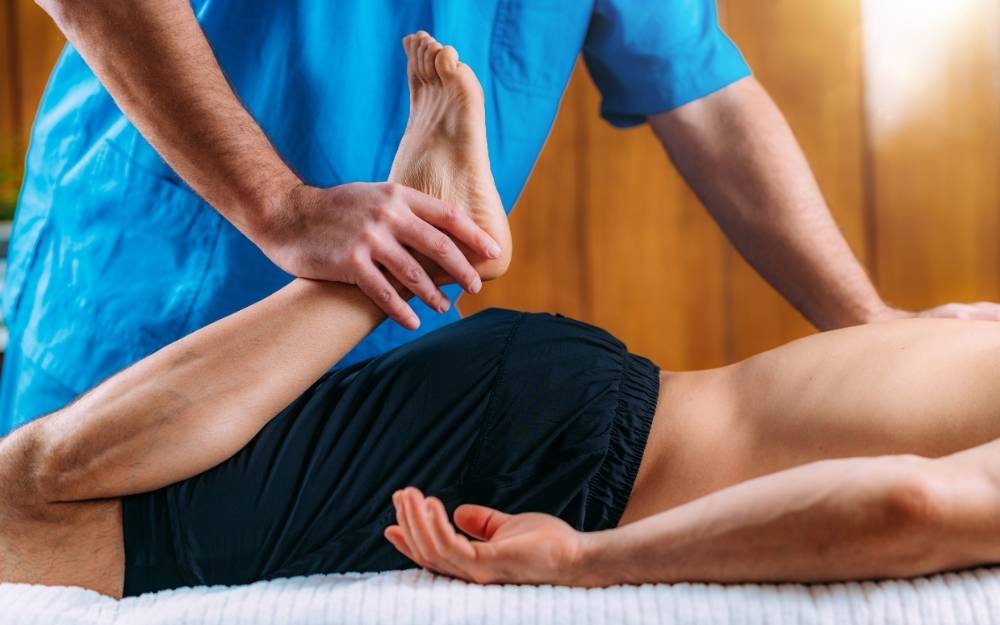
If you have never had a sports-focused treatment before, you might be wondering what to expect. It is a much more interactive experience than a standard relaxation massage. Your therapist will start by asking about your activity levels, any specific pain you are feeling, and what your goals are. They might perform a few quick mobility tests to see how your joints are moving before you even get onto the table.
During the session, the therapist will use a variety of techniques. This might include deep tissue work, where they apply firm pressure to reach underlying muscles, or more active techniques where you might be asked to move a limb against resistance. It is a collaborative process; you should always feel comfortable communicating about the pressure levels. While it can be intense at times—often described as a ‘good’ kind of pain—it should never be unbearable. The goal is to create a positive change in the tissue, not to cause more trauma.
Tailoring the treatment to your lifestyle
One of the best things about finding a quality sports massage glasgow is that the treatment is entirely bespoke. A runner will have very different needs compared to a weightlifter or someone who spends their day driving. A runner might need significant work on their calves, hamstrings, and hip flexors to combat the repetitive impact of the pavement. Meanwhile, someone working at a desk might require more attention on their upper back, neck, and shoulders to counteract the ’rounded’ posture that comes from screen use.
By focusing on your specific biomechanics, the therapist can help rebalance your body. This often leads to an immediate feeling of ‘lightness’ or increased mobility. It is quite common for people to walk out of the clinic feeling taller and more aligned than when they walked in.
Addressing the ‘no pain, no gain’ myth
There is a persistent idea that for a massage to be effective, it has to be painful. This simply isn’t true. While deep tissue work does require a certain level of pressure to reach the deeper structures, an experienced therapist knows that if you are tensing up in pain, your muscles are actually fighting against the treatment. The most effective work happens when the body is able to accept the pressure and relax into it.
Effective therapy is about finding that sweet spot where the pressure is firm enough to create a release but not so intense that it causes you to hold your breath. Over time, as your tissue health improves and your muscles become less congested, you will likely find that you can handle deeper work with less discomfort. This is a clear sign that your body is becoming more resilient and less reactive to stress.
How often should you book?
How frequently you should visit a clinic depends entirely on your goals and your lifestyle. There isn’t a one-size-fits-all answer, but here are some general guidelines that many people find helpful:
- For maintenance: If you are generally healthy and just want to stay on top of things, a session once every 4 to 6 weeks is usually sufficient.
- During heavy training: If you are training for a specific event or increasing your mileage, you might benefit from fortnightly sessions to keep up with the extra demand on your body.
- For injury recovery: If you are dealing with a specific issue, your therapist might suggest a short block of weekly sessions to get the problem under control before moving back to a maintenance schedule.
- For high-stress periods: If you know you have a busy month at work or a lot of travel coming up, booking a session can be a great way to prevent that stress from manifesting as physical pain.

Integrating recovery into your routine
It is important to remember that what you do outside of the clinic is just as important as what happens during your sports massage glasgow. Your therapist will often give you some ‘homework’—perhaps a specific stretch, a mobility exercise, or advice on your desk setup. Following this advice ensures that the benefits of the treatment last much longer.
Hydration is also a key factor. After a deep tissue session, your muscles have been worked quite intensely, and staying hydrated helps your body process the changes and keep the tissues supple. Think of the massage as a way to hit the ‘reset’ button on your physical health, and your daily habits as the way to maintain that new, improved baseline. When you start viewing recovery as an essential part of your routine rather than an optional extra, you’ll likely find that your performance improves and those nagging aches start to fade away for good.
